Test Results

[1] S45C (Carbon Steel for Machine Structural Use):
Water-Soluble Cutting Oil Cleaning Test Results

Test Method

Specimen

  • Material: S45C (black scale), blast-treated by the requester
  • Sise: 20mm×20mm×1.6mm
  • Pre-treatment: Immersed in acetone and ultrasonically irradiated for 60 seconds

Contamination

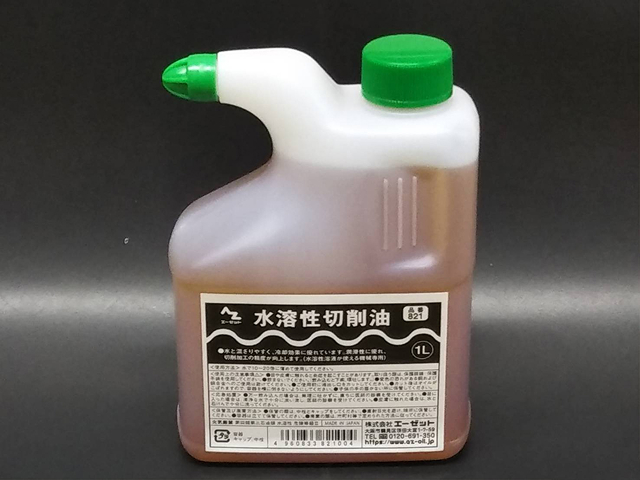
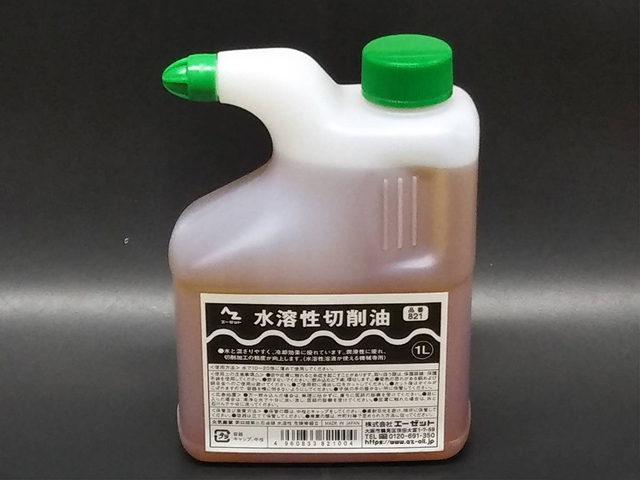
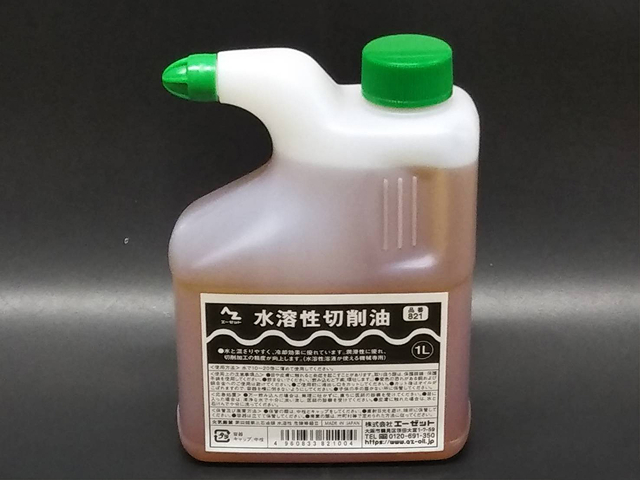
  • Contaminant: Water-soluble cutting oil, Part No. 821 (AZ Co., Ltd.) (Fig. 1)
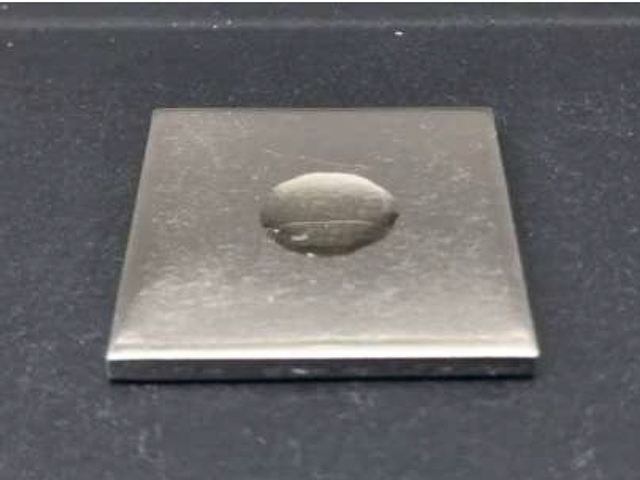
  • Contamination method: 10 μL was dispensed onto the specimen center using a micropipette (Fig. 2)

Cleaning

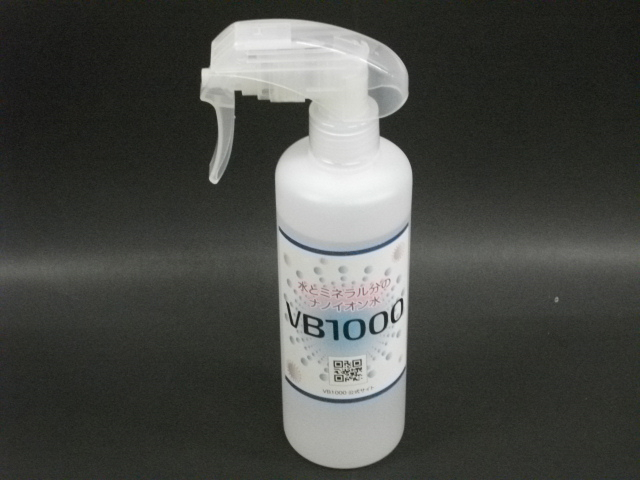
  • Cleaning solution: VB1000(Fig. 3)
Wipe test
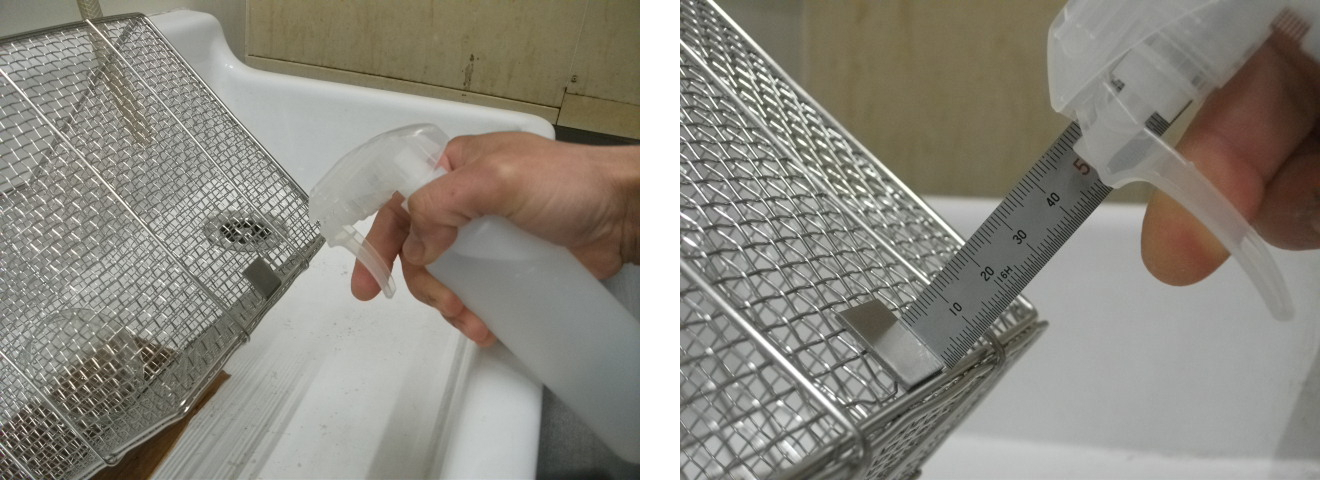
  • On a specimen tilted ~45°, spray twice from 50 mm vertically above (Fig. 4), wait 10 seconds, then wipe once with a Kimwipe
Spray test
  • On a specimen tilted ~45°, spray 10 times from 50 mm vertically above, wait 60 seconds, then rinse with tap water (70 mL/s for 10 seconds)
Immersion test
  • Immerse in a dish filled with cleaning solution for 10 minutes, then rinse with tap water (70 mL/s for 10 seconds)

*Specimens, oil used, cleaning solution, and spray container were provided by the requester

Evaluation

Visual

  • Visual observation of the specimen surface after cleaning

SEM observation and SEM-EDX analysis

  • Instrument: Analytical FE-SEM JSM-7900F (JEOL Ltd.)
  • Method: Compare carbon concentration after cleaning with the pre-contamination specimen

Results

Visual

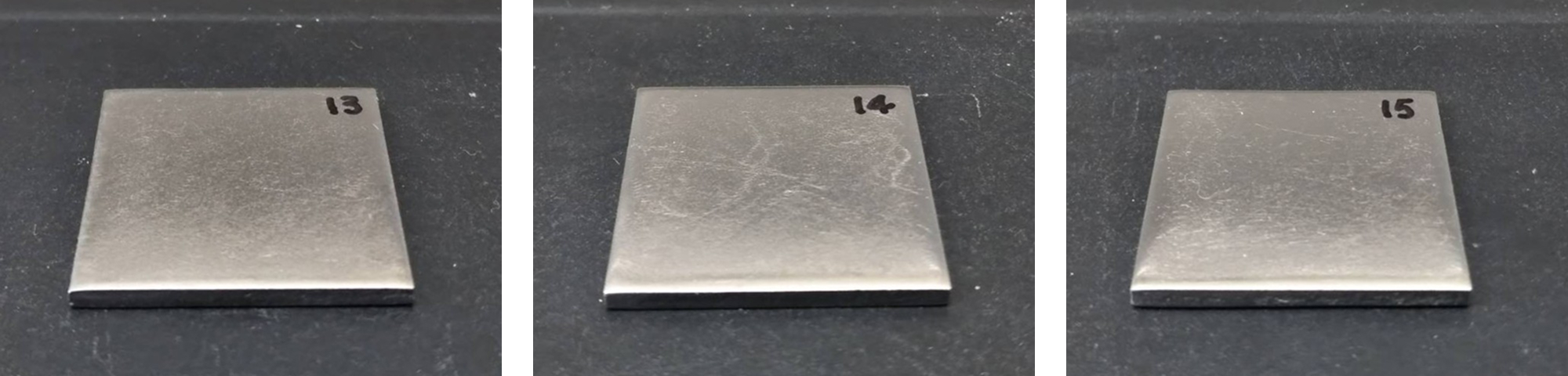
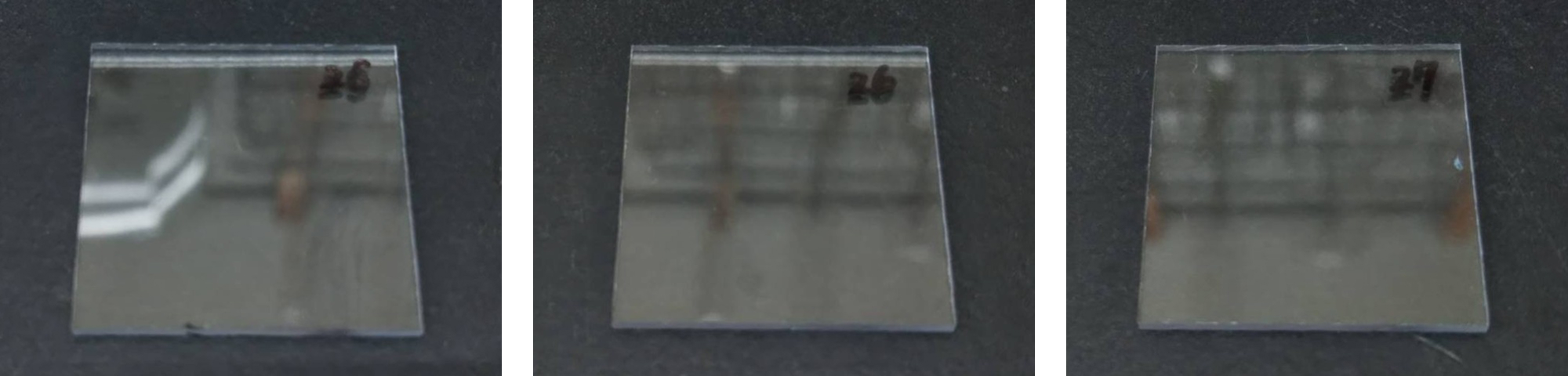
  • As shown in Fig. 5, no residual oil film was observed

SEM observation and SEM-EDX analysis

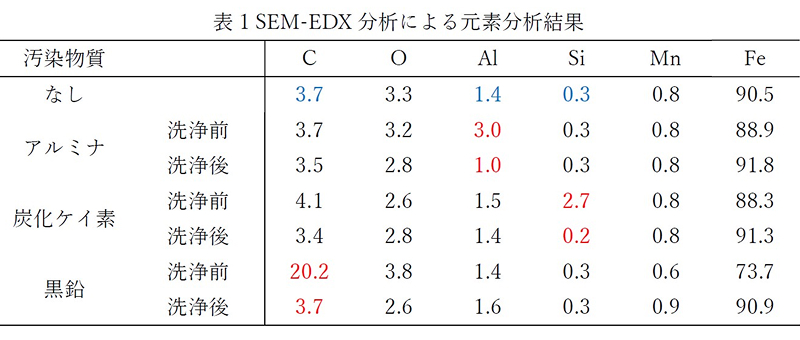
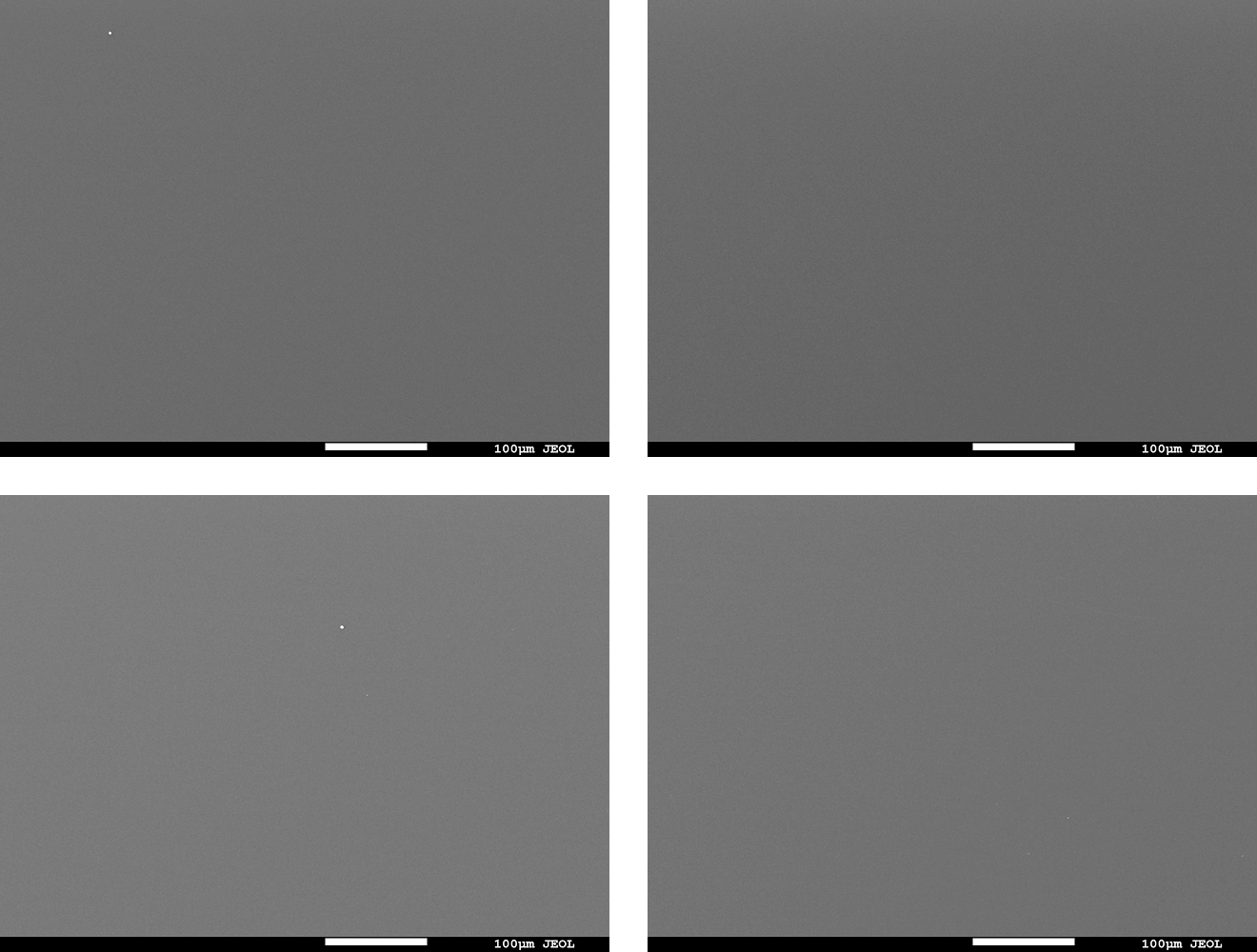
  • Result: For all test methods, the post-cleaning specimen surfaces showed comparable appearance and carbon concentration in the elemental analysis results (Table 1) to those before contamination, suggesting that the contaminant was removed.

Test Site and Report Author

  • Test site: Nagoya Municipal Industrial Research Institute, Materials Technology Dept.
  • Test date:April 28, 2025
Fig. 1
Fig. 1 Water-Soluble Cutting Oil
Fig. 2
Fig. 2 Specimen Before Cleaning
Fig. 3
Fig. 3 Cleaning Solution (Spray Container)
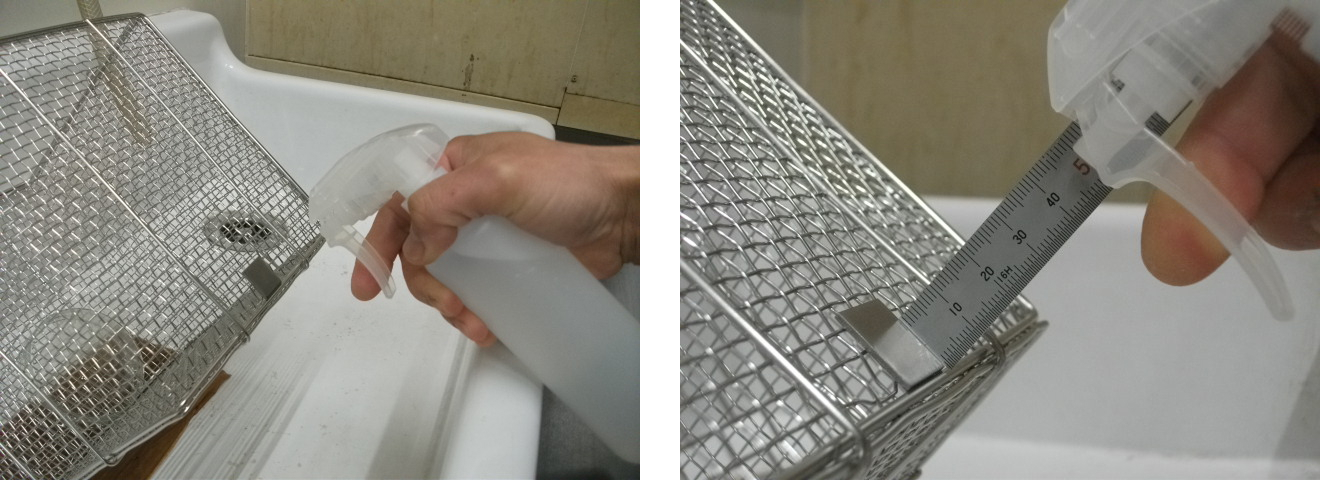
Fig. 4
Fig. 4 Spraying Procedure

Fig. 5
Fig. 5 Specimen After Cleaning
(Left: wipe / Center: spray / Right: immersion)
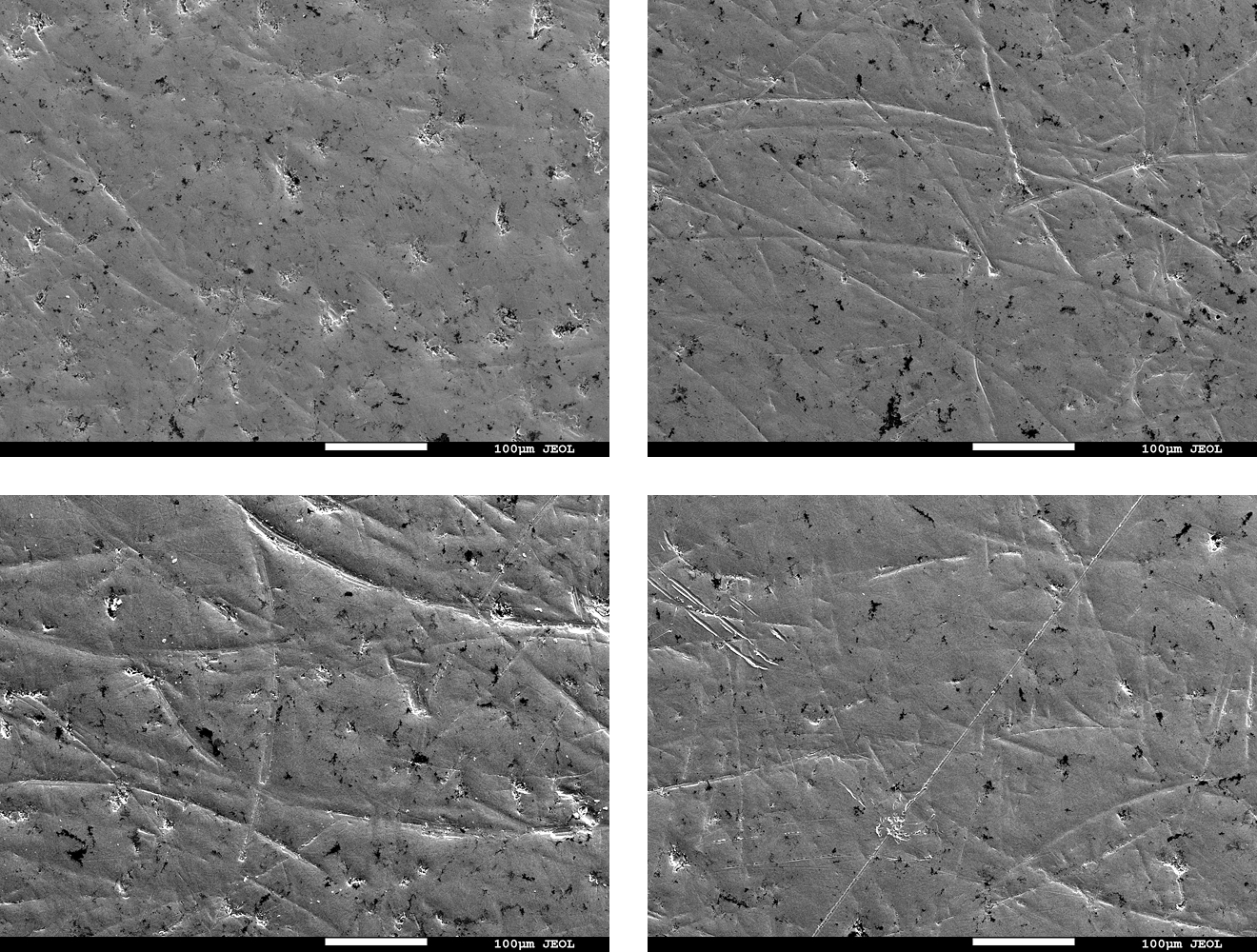
Fig. 6
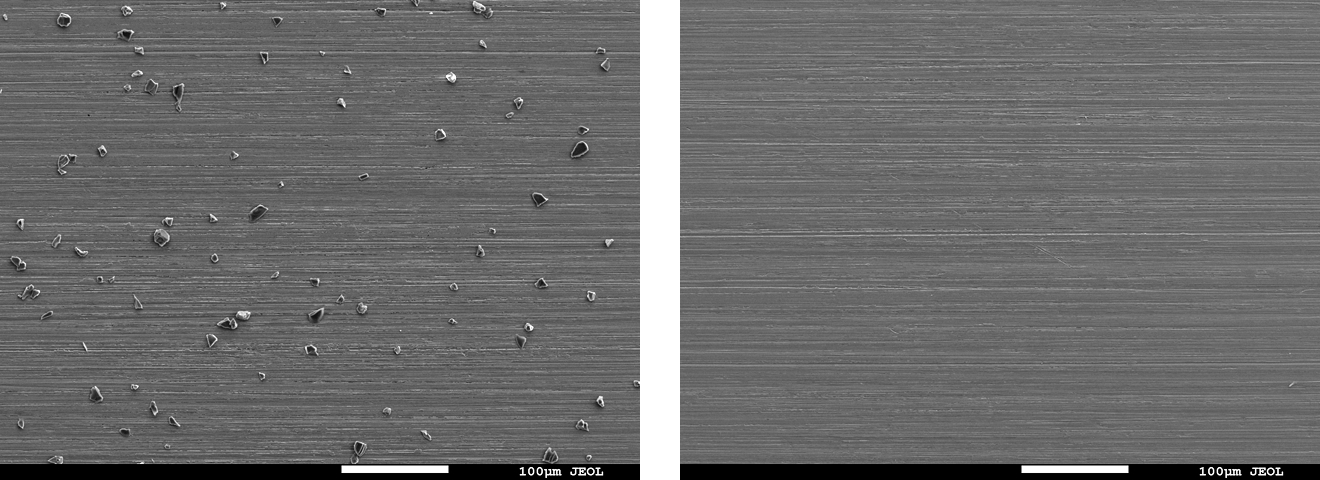
Fig. 6 Electron micrographs of the specimen surface before/after cleaning
(Top left:Before /Top right: wipe / Bottom left: spray / Bottom right: immersion)
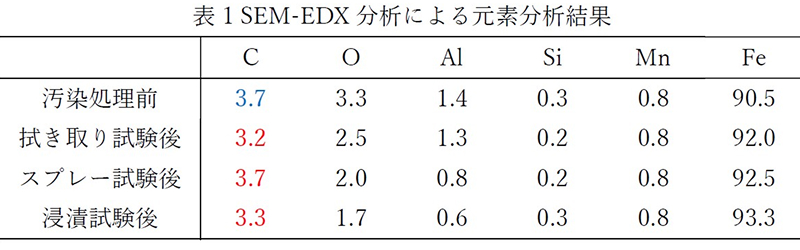
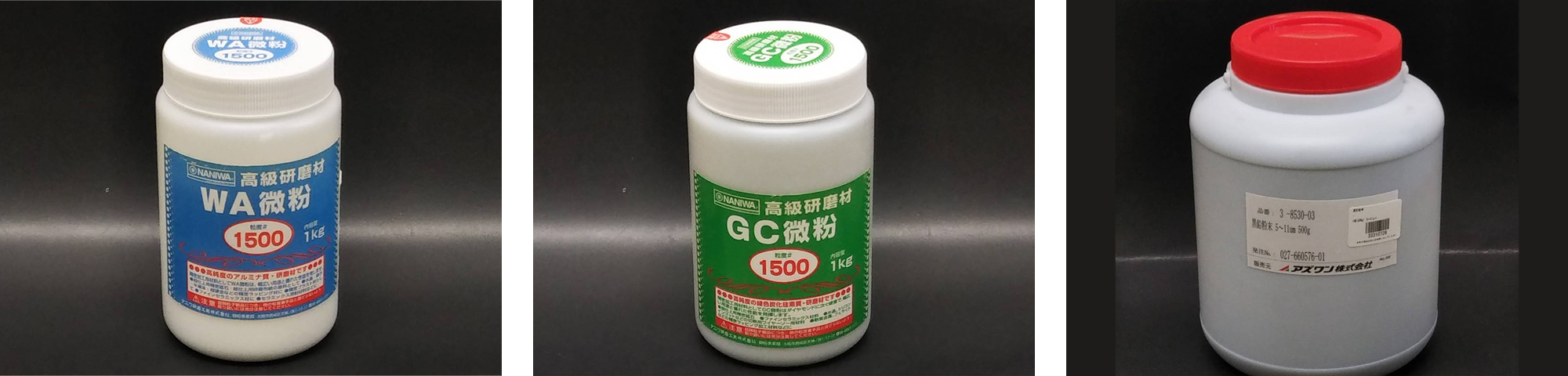
表1 SEM-EDX分析による元素分析結果

[2] S45C (Carbon Steel for Machine Structural Use):
Fine Particle Cleaning Test Results

Test Method

Specimen

  • Material: S45C (black scale), blast-treated by the requester
  • Size: 20mm×20mm×1.6mm
  • Pre-treatment: Immersed in acetone ultrasonically irradiated for 60 seconds

Contamination

  • Contaminants: Alumina, silicon carbide, graphite (Fig. 1)
  • Method: Disperse 10 mg in 10 mL ethanol; dispense 10 μL onto the specimen center

Cleaning

  • Cleaning solution: VB1000 (Fig. 2)
  • Method: Immerse in a dish → ultrasonic irradiation for 60 seconds → rinse with pure water (3 mL/s for 10 seconds)
  • Equipment: BRANSON1200 (Yamato Scientific Co., Ltd.) (47kHz, 60W)

*Specimens, oil used, cleaning solution, and spray container were provided by the requester

Evaluation

SEM observation and SEM-EDX analysis

  • Instrument: Analytical FE-SEM JSM-7900F (JEOL Ltd.)
  • Method: Compare C (graphite), Si (SiC), or Al (alumina) concentrations after cleaning vs. pre-contamination

Results

SEM observation and SEM-EDX analysis

  • Result: For all contaminants, the elemental concentrations in the post-cleaning specimen surfaces were comparable to those before contamination, as shown in the elemental analysis results (Table 1), suggesting that the contaminants were removed.

Test Site and Report Author

  • Test site: Nagoya Municipal Industrial Research Institute, Materials Technology Dept.
  • Test date: April 28, 2025

Fig. 1
Fig. 1 Contaminants
(Left: alumina / Center: silicon carbide / Right: graphite)

Fig. 2
Fig. 2 Cleaning solution (spray container)

Fig. 3
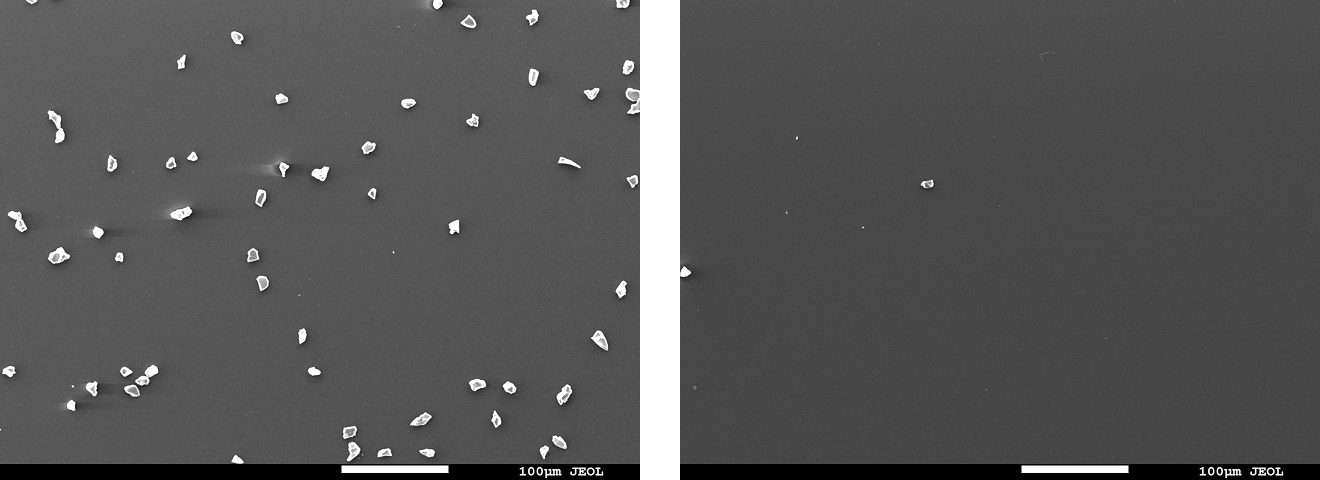
Fig. 3 Electron micrographs… Contaminant: alumina
(Left: before / Right: after)

Fig. 4
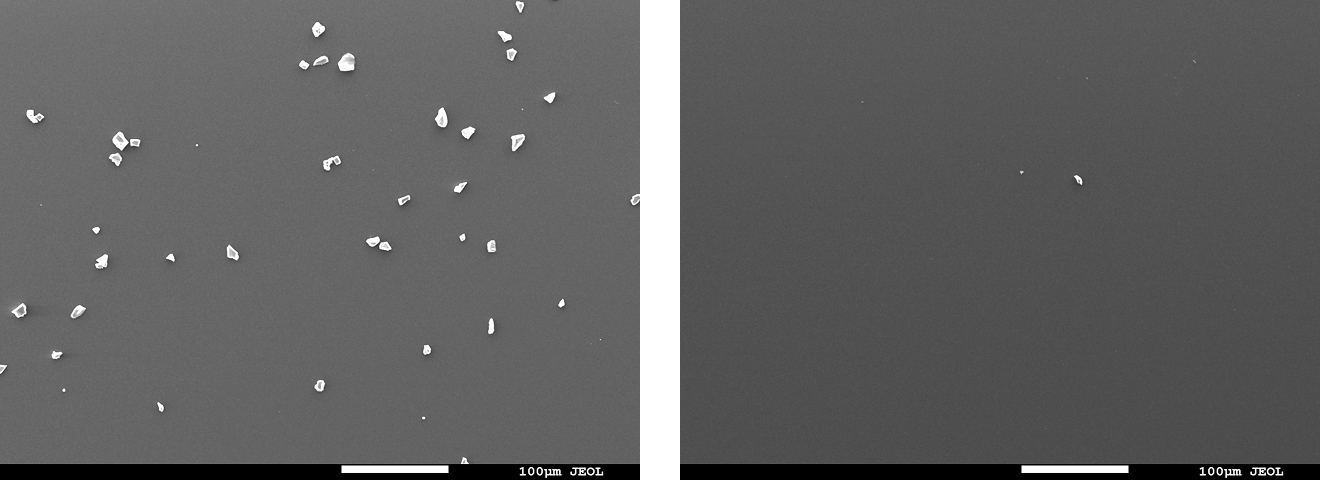
Fig. 4 Electron micrographs… Contaminant: silicon carbide
(Left: before / Right: after)

Fig. 5
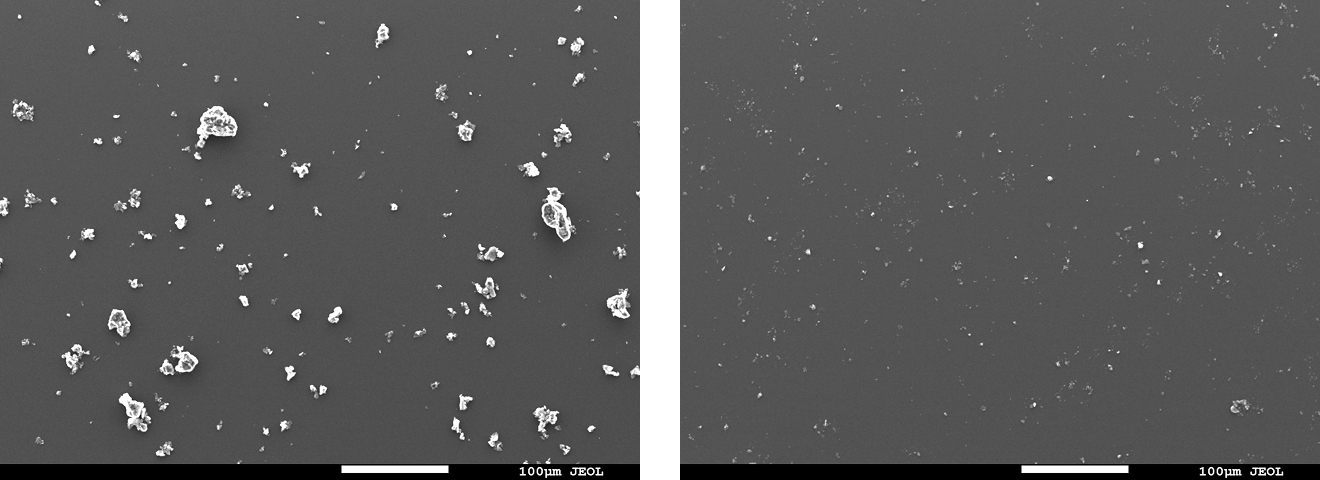
Fig. 5 Electron micrographs… Contaminant: graphite
 (Left: before / Right: after)

表1 SEM-EDX分析による元素分析結果

[3] SUS304 (Stainless Steel) / C1020 (Oxygen-Free Copper):
Water-Soluble Cutting Oil Cleaning Test Results

Test Method

Specimen

  • Material: SUS304, C1020
  • Size: 20mm×20mm×1.0mm
  • Pre-treatment: Immersed in acetone and ultrasonically irradiated for 60 seconds

Contamination

  • Contaminant: Water-soluble cutting oil, Part No. 821 (AZ Co., Ltd.) (Fig. 1)
  • Contamination method: 10 μL of cutting oil was dispensed onto the center of the specimen using a micropipette (Fig. 2)

Cleaning

  • Cleaning solution: VB1000 (Fig. 3)
Wipe test
  • On a specimen tilted ~45°, spray twice from 50 mm vertically above (Fig. 4), wait 10 seconds, then wipe once with a Kimwipe
Spray test
  • On a specimen tilted ~45°, spray 10 times from 50 mm vertically above, wait 60 seconds, then rinse with tap water (70 mL/s for 10 seconds)
Immersion test
  • Immerse in a dish filled with cleaning solution for 10 minutes, then rinse with tap water (70 mL/s for 10 seconds)

*Specimens, contaminant, cleaning solution, and spray container were provided by the requester

Evaluation

Visual

  • Visually observe the specimen surface after cleaning

SEM observation and SEM-EDX analysis

  • Instrument: Analytical FE-SEM JSM-7900F (JEOL Ltd.)
  • Method: Compare carbon concentration on the surface after cleaning with that before contamination

Results

Visual

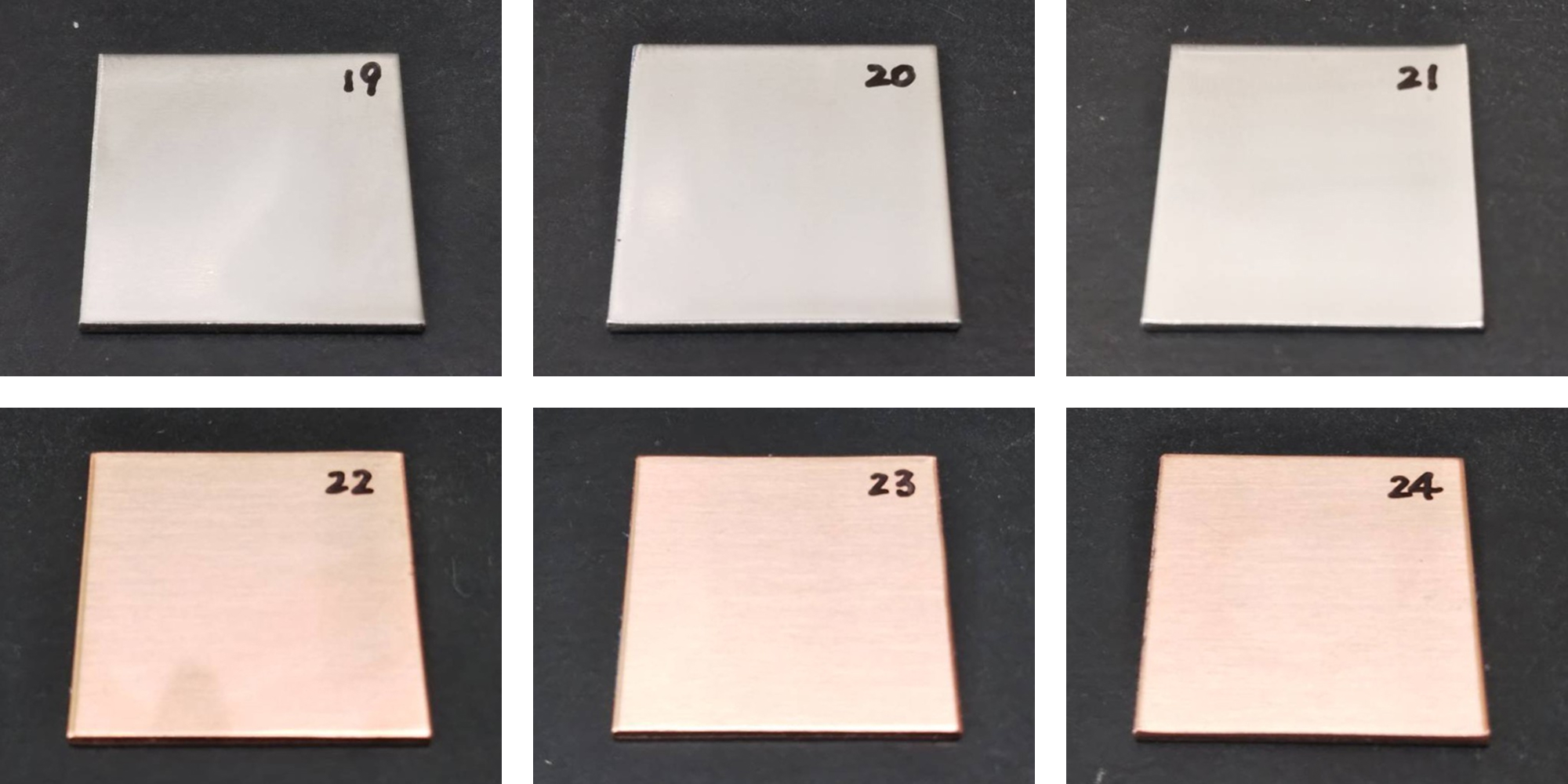
  • As shown in Fig. 5, no residual oil film was observed

SEM observation and SEM-EDX analysis

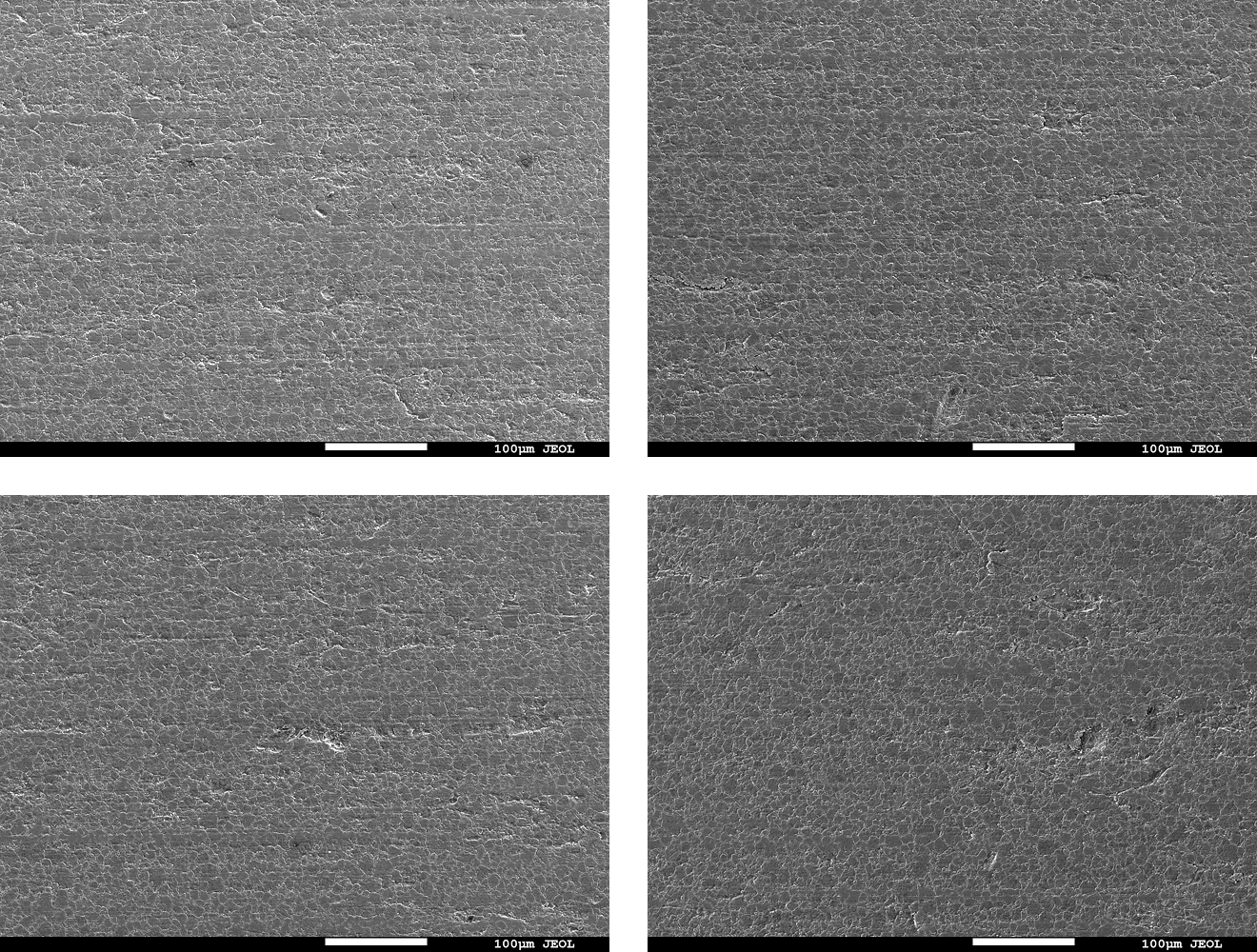
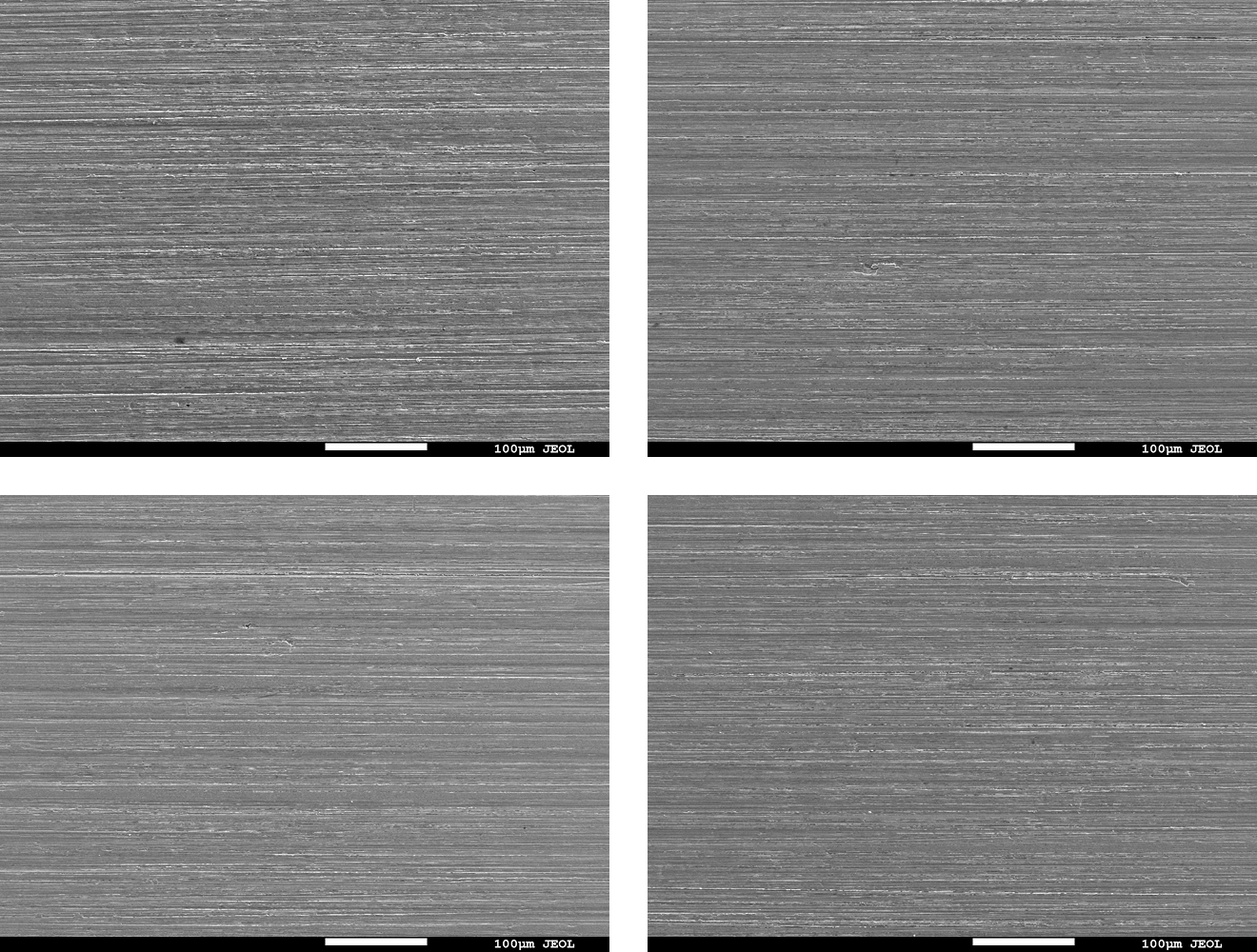
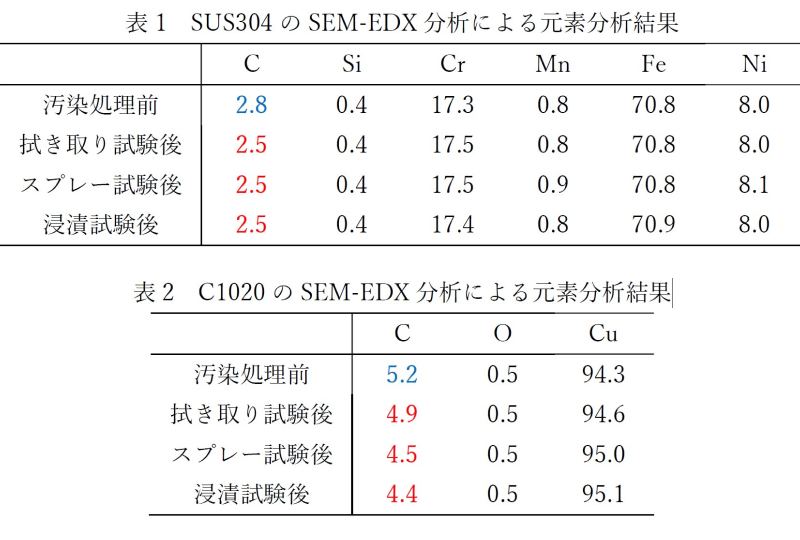
  • Appearance (Figs. 6, 7) and carbon concentration in elemental analysis were equivalent to pre-contamination, suggesting the contaminant was removed

Test Site and Report Author

  • Test site: Nagoya Municipal Industrial Research Institute, Materials Technology Dept.
  • Test dates: May 12–15, 2025

Fig. 1
Fig. 1 Water-Soluble Cutting Oil

Fig. 2
Fig. 2 Specimens Before Cleaning (Left: SUS304 / Right: C1020)

Fig. 3
Fig. 3 Cleaning Solution (Spray Container)

Fig. 4
Fig. 4 Spraying Procedure

Fig. 5
Fig. 5 Specimens After Cleaning
 (Top: SUS304 / Bottom: C1020)
(Left: wipe / Center: spray / Right: immersion)
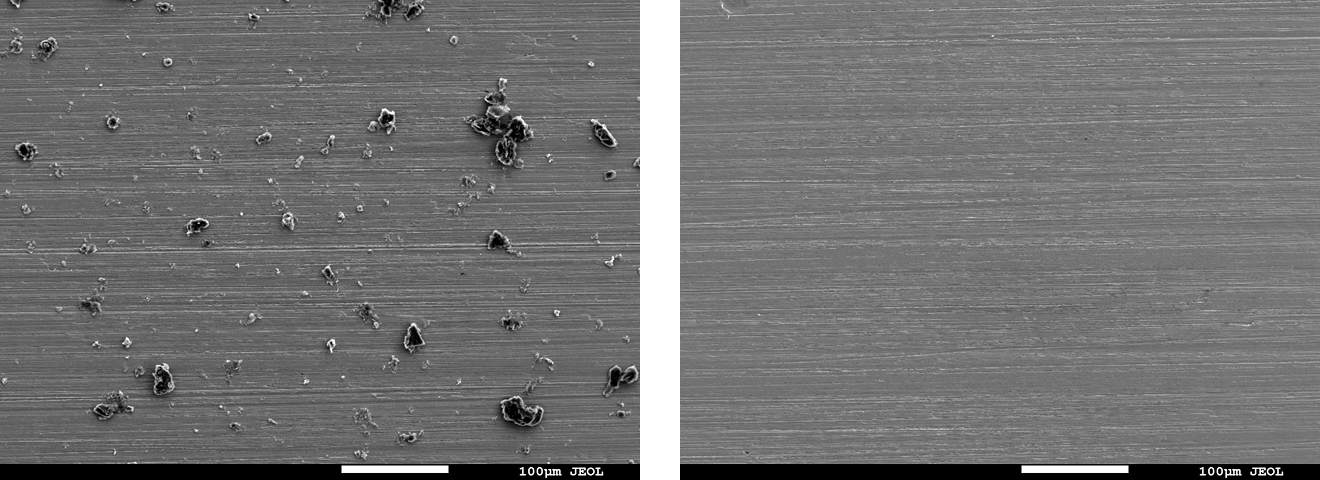
Fig. 6
Fig. 6 SUS304 Electron Micrographs Before/After Cleaning
(Upper-left: before / Upper-right: after wipe / Lower-left: after spray / Lower-right: after immersion)

Fig. 7
Fig. 7 C1020 Electron Micrographs Before/After Cleaning
(Upper-left: before / Upper-right: after wipe / Lower-left: after spray / Lower-right: after immersion)

表1 SUS304のSEM-EDX分析による元素分析結果 表2 C1020のSEM-EDX分析による元素分析結果

[4] SUS304 (Stainless Steel) / C1020 (Oxygen-Free Copper):
Fine Particle Cleaning Test Results

Test Method

Specimen

  • Material: SUS304, C1020
  • Size: 20mm×20mm×1.0mm
  • Pre-treatment: Immersed in acetone and ultrasonically irradiated for 60 seconds

Contamination

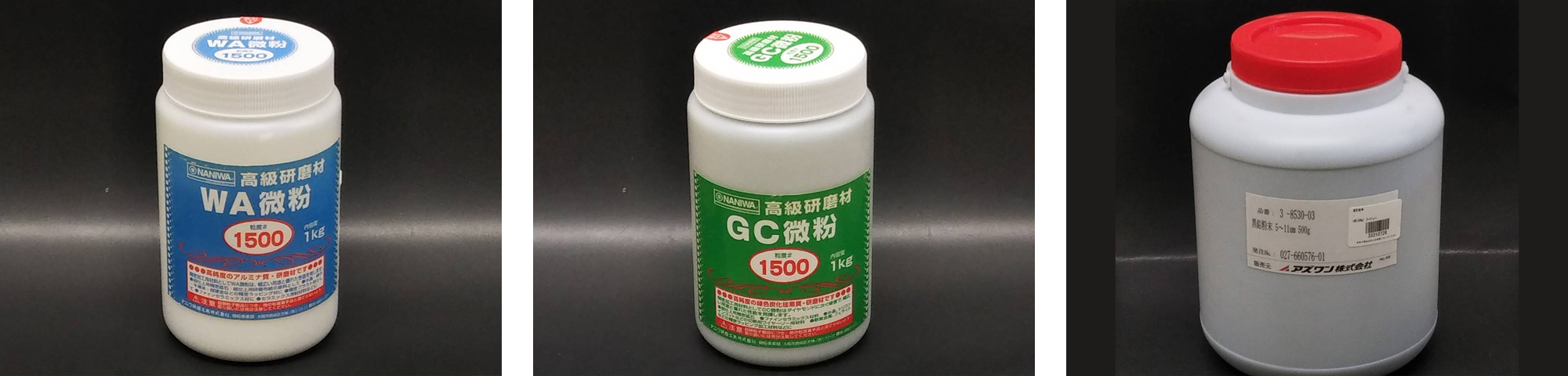
  • Contaminants: Alumina, silicon carbide (Naniwa Abrasive Mfg. Co., Ltd.), graphite (AS ONE Corp.) (Fig. 1)
  • Method: Suspend 10 mg contaminant in 10 mL ethanol; dispense 10 μL of the suspension onto the specimen center

Cleaning

  • Cleaning solution: VB1000 (Fig. 2)
  • Method: Immerse in a dish → ultrasonic irradiation for 60 seconds → rinse with pure water (3 mL/s for 10 seconds)
  • Equipment: BRANSON1200 (Yamato Scientific Co., Ltd.) (47kHz, 60W)

*Specimens, oil used, cleaning solution, and spray container were provided by the requester

Evaluation

SEM observation and SEM-EDX analysis

  • Instrument: Analytical FE-SEM JSM-7900F (JEOL Ltd.)
  • Method: Compare post-cleaning surface concentrations vs. pre-contamination: C for graphite, Si for SiC, Al for alumina

Results

SEM observation and SEM-EDX analysis

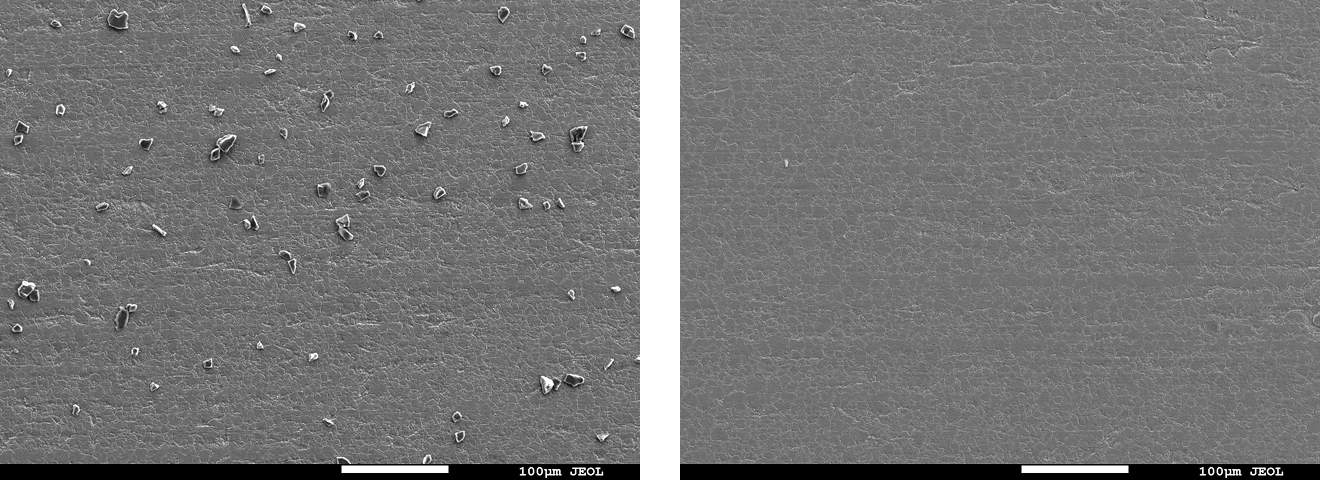
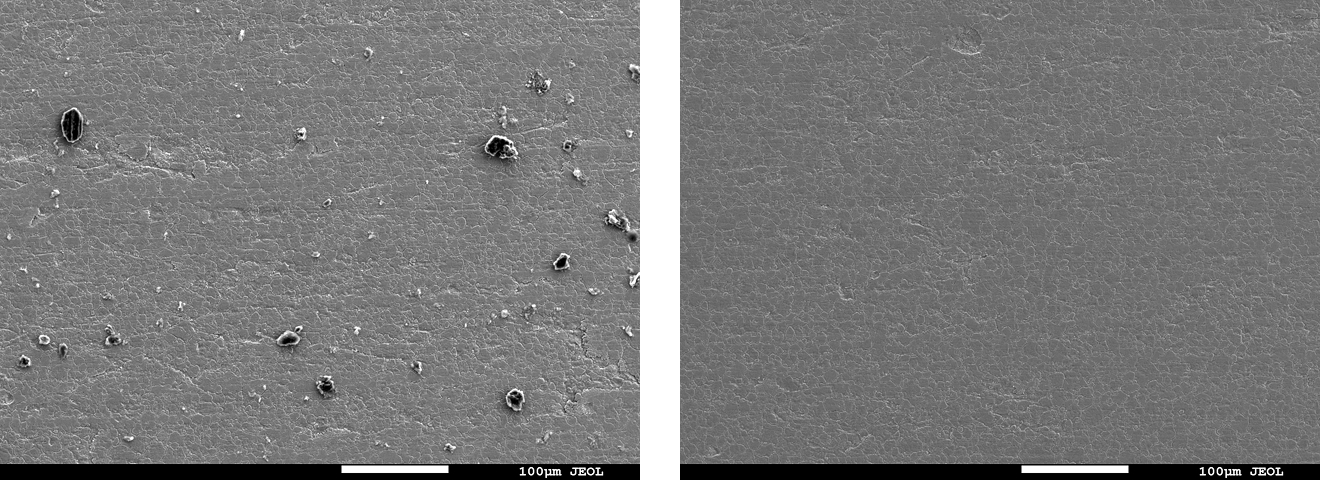
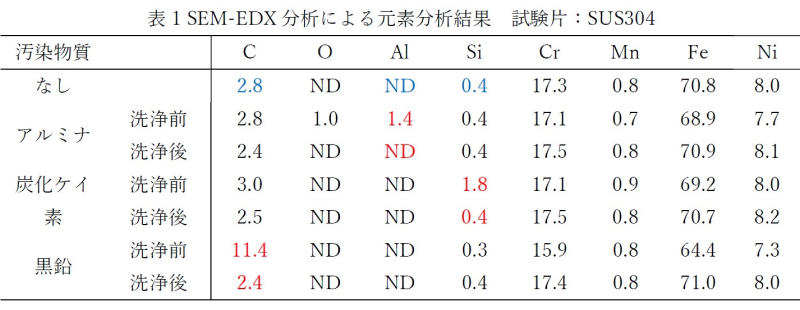
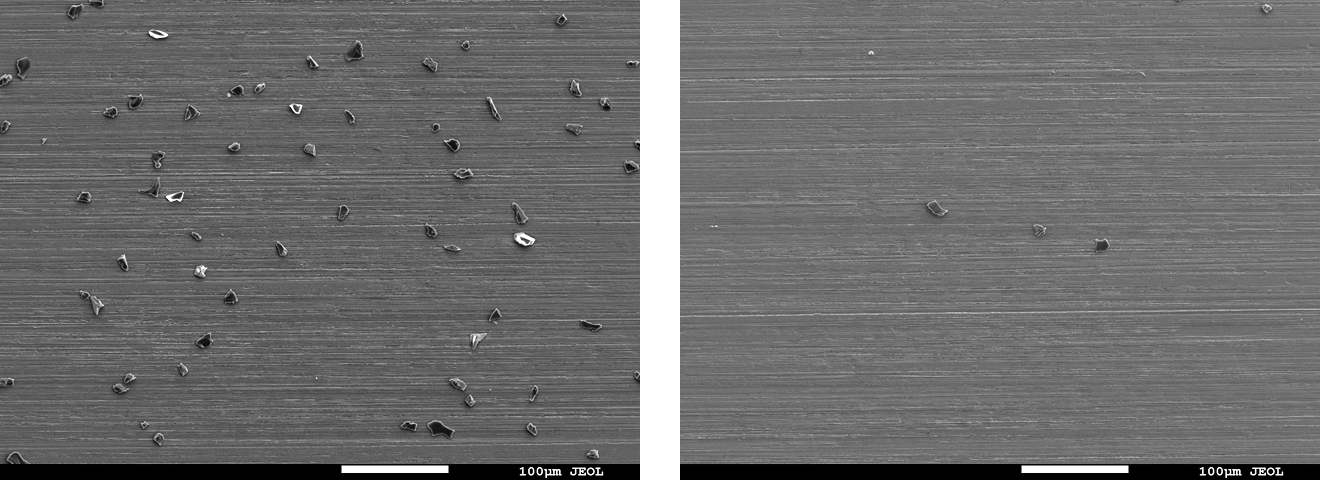
  • Slight residue was observed only for C1020 with alumina; for other combinations, elemental concentrations were comparable (Tables 1, 2), suggesting successful removal

Test Site and Report Author

  • Test site: Nagoya Municipal Industrial Research Institute, Materials Technology Dept.
  • Test dates: May 12–15, 2025

Fig. 1
Fig. 1 Contaminants
(Left: alumina / Center: silicon carbide / Right: graphite)

Fig. 2
Fig. 2 Cleaning Solution (Spray Container)

Fig. 3
Fig. 3 Electron micrographs, Specimen: SUS304, Contaminants: alumina
 (Left: before / Right: after)

Fig. 4
Fig. 4 Electron micrographs, Specimen: SUS304, Contaminants: silicon carbide
 (Left: before / Right: after)

Fig. 5
Fig. 5 Electron micrographs, Specimen: SUS304, Contaminants: silicon graphite
 (Left: before / Right: after)

表1 SEM-EDX分析による元素分析結果 試験片:SUS304

Fig. 6
Fig. 6 Electron micrographs, Specimen: C1020, Contaminants: alumina
 (Left: before / Right: after)

Fig. 7
Fig. 7 Electron micrographs, Specimen: C1020, Contaminants: silicon carbide
 (Left: before / Right: after)

Fig. 8
Fig. 8 Electron micrograph, Specimen: C1020, Contaminants: silicon graphites
 (Left: before / Right: after)

表2 SEM-EDX分析による元素分析結果 試験片:C1020

[5] PC (Polycarbonate):
Water-Soluble Cutting Oil Cleaning Test Results

Test Method

Specimen

  • Material: Polycarbonate (PC)
  • Size: 20mm×20mm×1.0mm
  • Pre-treatment: None

Contamination

  • Contaminant: Water-soluble cutting oil, Part No. 821 (AZ Co., Ltd.) (Fig. 1)
  • Method: Dispense 10 μL onto the specimen center (Fig. 2)

Cleaning

  • Cleaning solution: VB1000 (Fig. 3)
Wipe test
  • Tilt ~45°, spray twice from 50 mm (Fig. 4), wait 10 seconds, wipe once with a Kimwipe
Spray test
  • Spray 10 times, wait 60 seconds, rinse with tap water (70 mL/s for 10 seconds)
Immersion test
  • Immerse for 10 minutes, rinse with tap water (70 mL/s for 10 seconds)

*Specimens, oil used, cleaning solution, and spray container were provided by the requester

Evaluation

Visual

  • Visual observation after cleaning

SEM observation and SEM-EDX analysis

  • Instrument: Analytical FE-SEM JSM-7900F (JEOL Ltd.)
  • Method: Compare carbon concentration on the surface after cleaning with that before contamination

FTIR

  • Instrument: Frontier Gold FTIR / Spotlight400 IR Imaging (PerkinElmer Japan)
  • Method: Transfer residue to the crystal by contact and compare IR spectra of residue vs. contaminant

Results

Visual

  • No residual oil film observed (Fig. 5)

SEM observation and SEM-EDX analysis

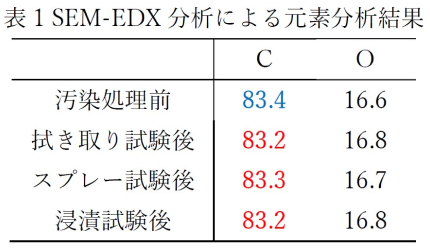
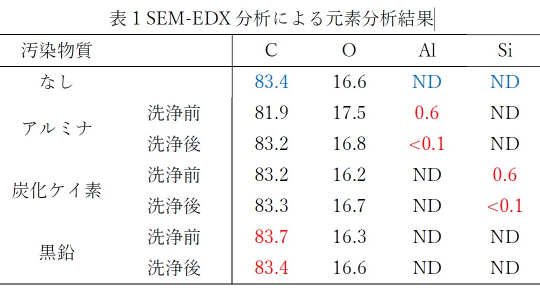
  • Appearance (Fig. 6) and carbon concentration (Table 1) were equivalent to pre-contamination

FTIR分析

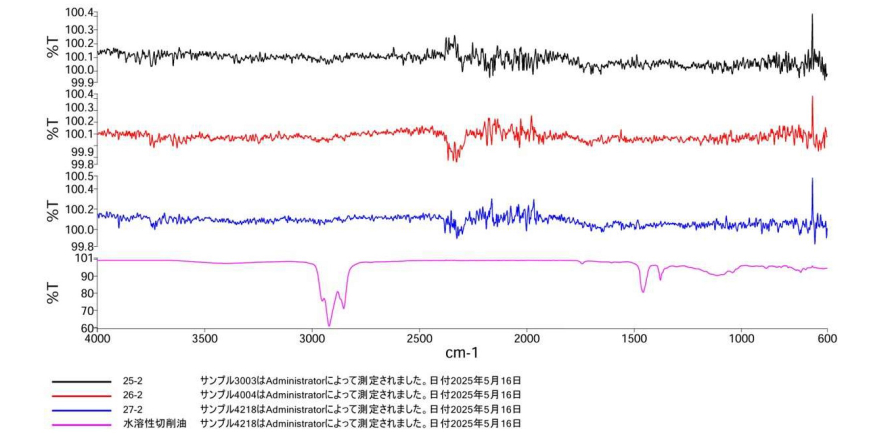
  • Residue was below the detection limit in all methods (Fig. 7)

Test Site and Report Author

  • Test site: Nagoya Municipal Industrial Research Institute, Materials Technology Dept.
  • Test dates: May 12–16, 2025
Fig. 1
Fig. 1 Water-Soluble Cutting Oil
Fig. 2
Fig. 2 Specimen Before Cleaning
Fig. 3
Fig. 3 Cleaning Solution (Spray Container)

Fig. 4
Fig. 4 Spraying Procedure

Fig. 5
Fig. 5 Specimen After Cleaning
(Left: wipe / Center: spray / Right: immersion)
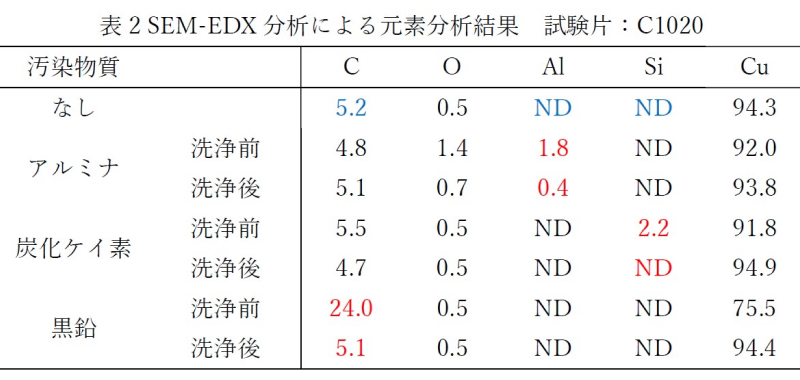
Fig. 6
Fig. 6 Electron Micrographs Before/After Cleaning
(Upper-left: before / Upper-right: after wipe / Lower-left: after spray / Lower-right: after immersion)
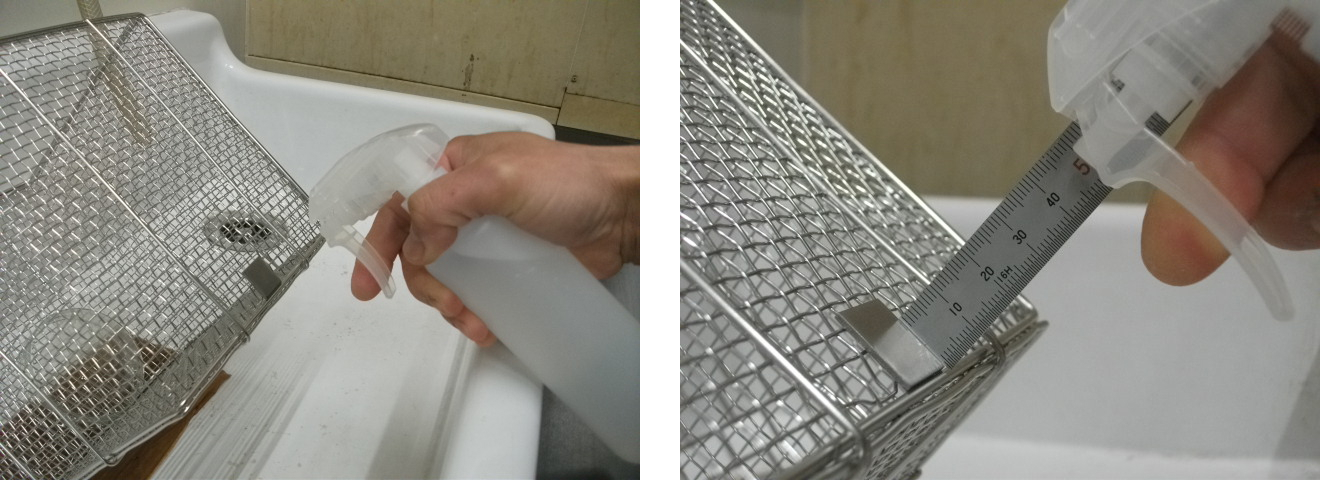
表1 SEM-EDX分析による元素分析結果

Fig. 7
Fig. 7 FTIR Spectra of Cleaned Specimens and Contaminant
(Black: after wipe / Red: after spray / Blue: after immersion / Pink: contaminant)
[6] PC (Polycarbonate):
Fine Particle Cleaning Test Results

Test Method

Specimen

  • Material: Polycarbonate (PC)
  • Size: 20mm×20mm×1.0mm
  • Pre-treatment: None

Contamination

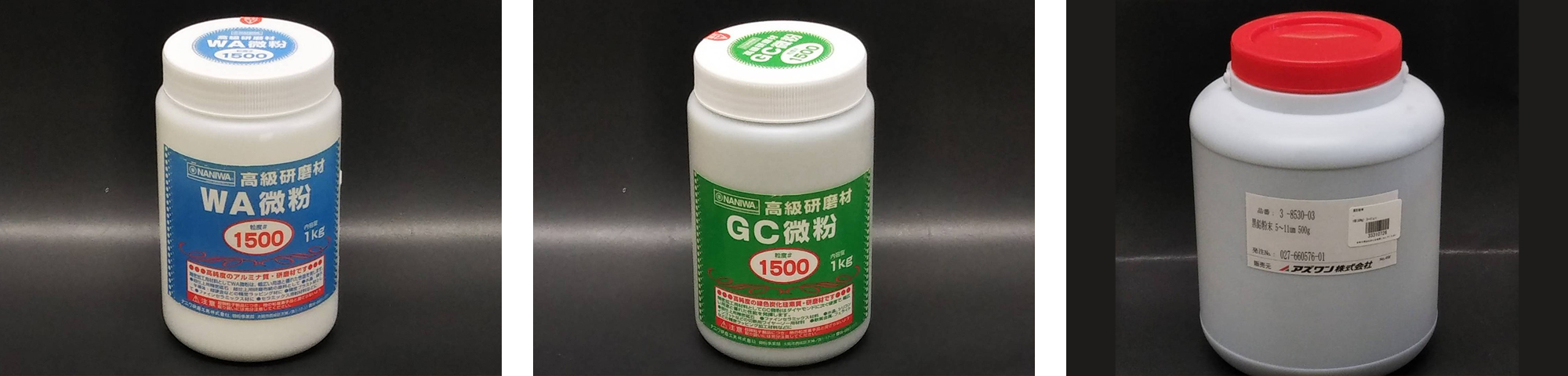
  • Contaminants: Alumina, silicon carbide (Naniwa Abrasive Mfg. Co., Ltd.), graphite (AS ONE Corp.)
  • Method: Suspend 10 mg contaminant in 10 mL ethanol; dispense 10 μL onto the specimen center

Cleaning

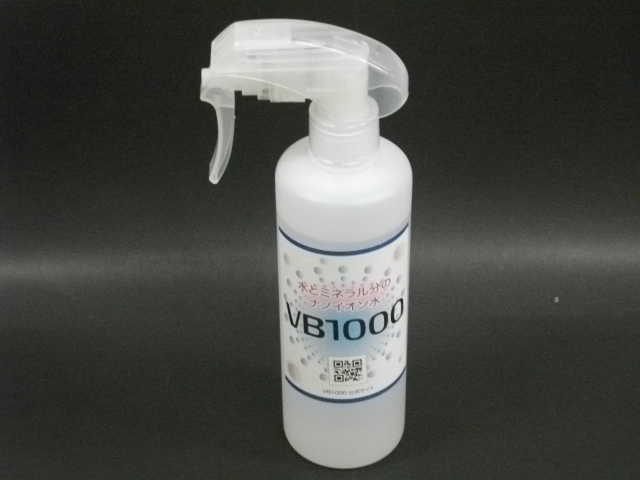
  • Cleaning solution: VB1000
  • Method: Immerse in a dish → ultrasonic irradiation for 60 seconds → rinse with pure water (3 mL/s for 10 seconds)
  • Equipment: BRANSON1200 (Yamato Scientific Co., Ltd.) (47kHz, 60W)

*Specimens, oil used, cleaning solution, and spray container were provided by the requester

Evaluation

SEM observation and SEM-EDX analysis

  • Instrument: Analytical FE-SEM JSM-7900F (JEOL Ltd.)
  • Method: Compare post-cleaning surface concentrations vs. pre-contamination: C (graphite), Si (SiC), Al (alumina)

Results

SEM observation and SEM-EDX analysis

  • As shown in Figs. 3–4, slight residues remained for each contaminant, but most were removed by cleaning

Test Site and Report Author

  • Test site: Nagoya Municipal Industrial Research Institute, Materials Technology Dept.
  • Test dates: May 12–15, 2025

Fig. 1
Fig. 1 Contaminants
(Left: alumina / Center: silicon carbide / Right: graphite)

Fig. 2
Fig. 2 Cleaning Solution (Spray Container)

Fig. 3
Fig. 3 Electron micrographs… Contaminant: Alumina
 (Left: before / Right: after)

Fig. 4
Fig. 4 Electron micrographs…Contaminant: Silicon carbide
(Left: before / Right: after)

Fig. 5
Fig. 5 Electron micrographs…Contaminant: Graphite
(Left: before / Right: after)

表1 SEM-EDX分析による元素分析結果

Back to Top